
马萨诸塞州已征收 26 亿美元“百万富翁税”,远超州政府预期
【中美创新时报2025 年 5 月 22 日编译讯】(记者温友平编译)马萨诸塞州所谓的百万富翁税似乎准备给立法者带来另外 10 亿美元的盈余,甚至更多。《波士顿环球报》记者马特·斯托特对此作了下述报道。
希利政府官员表示,在本财政年度还剩两个月的时候,选民批准的附加税已经产生了 26 亿美元的收入,已经超过了该州去年全年的税收收入,当时该税产生了巨额盈余。
周二的一封信中披露,预计税收收入几乎是州长莫拉·希利和州议员们同意的本财年附加税收入13亿美元的两倍。预计在5月和6月税收到账后,税收总额还将进一步增长。
所筹集的额外资金大部分将进入储备账户,州政策制定者可以从中提取资金用于对项目或计划的一次性投资。
今年征收的百万富翁税收收入预计会非常可观,尤其是在 4 月份,由于百万富翁税收和资本收益的增加,总税收收入大幅超过预期。
但附加税带来的收入已经超过了希利政府官员粗略估计的全年收入。这一激增既凸显了附加税作为主要收入驱动因素的潜力,也凸显了州政府官员在预测其具体效果方面面临的持续困难。
去年,州政府官员最初表示,这项附加税产生了22亿美元的收入。但后来他们将其修正为24.6亿美元,从而创造了约13亿美元的盈余,目前议员们正在讨论如何使用这笔资金。众议院和参议院分别通过了不同版本的、包含专项拨款的立法,预计将在未来几周就其中的差异进行谈判。
几个月后,该州税务局才会正式公布本财政年度附加税的征收金额。
选民 于2022年批准了这项税收法案,将对年收入超过100万美元的人额外征收4%的税。当时,左翼智库马萨诸塞州预算与政策中心预测,这项税收法案每年至少能带来20亿美元的收入。
它产生的现金经常超过这个数字。据州政府官员称,仅今年2月至4月,该税收就产生了15亿美元的收入。
马萨诸塞州纳税人基金会(一家由企业支持的预算监督机构)主席道格·豪盖特表示,这项附加税“高度敏感”,受股市和经济表现影响。这使得它成为州政府官员的“移动目标”,而且随着美国财政前景的不确定性,其影响难以预测。
美国经济在第一季度出现萎缩,为三年来的首次下滑,这加剧了一些经济学家对经济衰退可能迫在眉睫的担忧。特朗普总统已经扣留或削减了数十亿美元的联邦拨款和其他支出,企业也警告消费者,由于美国引发的贸易战,物价可能会上涨。
豪盖特表示:“明年的担忧是我们不会将这些(附加税资金)用于持续的经常性资源……现在的股市环境与 12 个月前相比确实有所不同。”
百万富翁的巨额税收盈余并不一定意味着该州的财政状况良好。州政府官员将附加税与其他类型的税收分开处理,因为根据州宪法,附加税收入只能用于教育和交通。
尽管去年年底获得了额外的附加税,但官员们仍然需要弥补预算赤字。希利已经表示,她将在本月晚些时候冻结大部分州政府部门的招聘,理由是“全国范围内普遍存在的经济不确定性”。
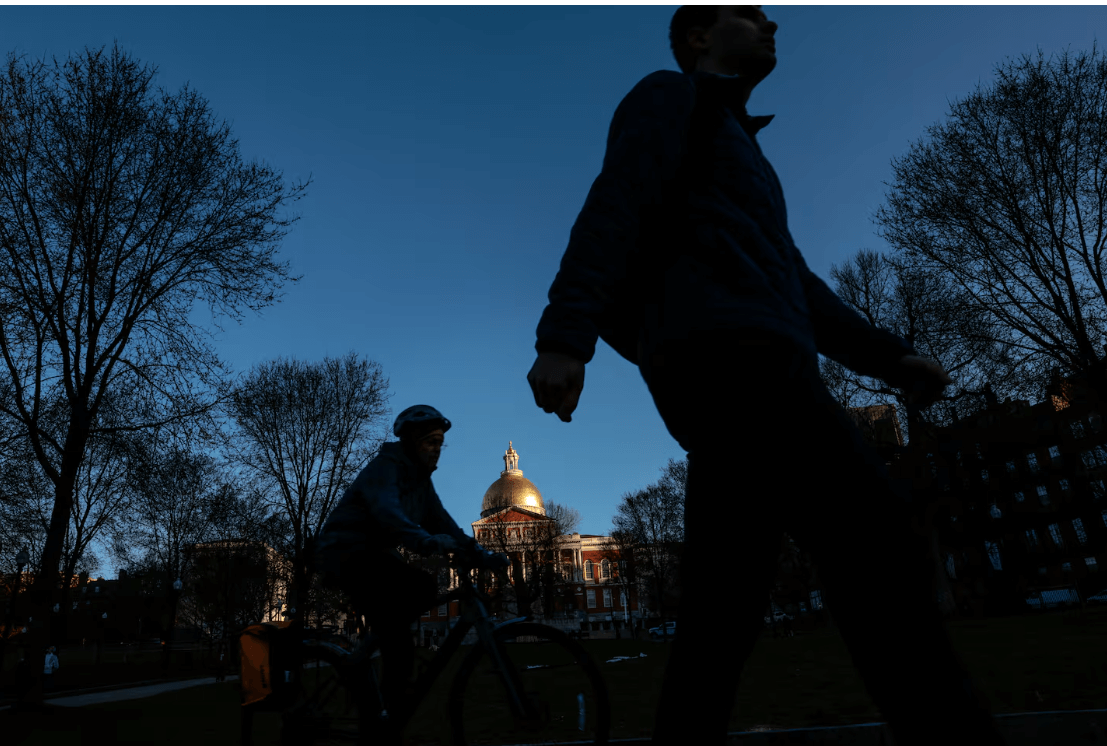
题图:波士顿公园的人们经过州议会大厦。 图片: Craig F. Walker/波士顿环球报员工
附原英文报道:
Massachusetts has already collected $2.6b in ‘millionaires tax’ cash, surging past state projections
By Matt Stout Globe Staff,Updated May 21, 2025, 1:03 p.m.
People on Boston Common passed the State House. Craig F. Walker/Globe Staff
Massachusetts’ so-called millionaires tax appears primed to hand lawmakers another billion-dollar surplus, if not more.
With two months left in the fiscal year, the voter-approved surtax has generated $2.6 billion in revenue, Healey administration officials said, already topping what the state collected all of last year when the tax produced a hefty surplus.
The estimated haul, disclosed in a Tuesday letter, is nearly double the $1.3 billion that Governor Maura Healey and state lawmakers agreed to spend in surtax revenue this fiscal year. The revenue total is also expected to grow further after collections flow in for May and June.
Most of the additional money raised would go to a reserve account, from which state policymakers can pluck money for one-time investments into projects or programs.
The amount of millionaires tax revenue collected this year was already expected to be significant, particularly after total tax revenues surged above projections in April on the back of collections from the millionaires tax and capital gains.
But cash from the surtax is already topping what Healey administration officials roughly expected to collect for the entire fiscal year. The surge underscores both the surtax’s potential as a major revenue driver and the ongoing difficulty state officials face in predicting exactly what it will deliver.
Last year, state officials initially said the surtax generated $2.2 billion in revenue. But they later revised that to $2.46 billion, helping create the roughly $1.3 billion surplus that lawmakers are now debating how to spend. The House and Senate have each passed different earmark-laden versions of legislation doling out that money, the differences of which they’re expected to negotiate in the coming weeks.
The state’s Department of Revenue won’t certify the official amount raised from the surtax for this fiscal year for several months.
Voters approved the tax in 2022 to levy an additional 4 percent tax on annual earnings over $1 million. At the time, the Massachusetts Budget and Policy Center, a left-leaning think tank, projected it could generate at least $2 billion a year.
The cash it’s produced has regularly blown past even that. The tax generated $1.5 billion between February and April of this year alone, according to state officials.
That surtax is “highly responsive” to how the stock market and economy are performing, said Doug Howgate, president of Massachusetts Taxpayers Foundation, a business-backed budget watchdog. That makes it a “moving target” for state officials, and a difficult one to predict as the country slides into an uncertain fiscal future.
The national economy shrank in the first quarter, the first decline in three years, feeding into some economists’ concerns that a recession could be looming. President Trump has already withheld or cut billions of dollars in federal grants and other spending, and companies are warning customers that prices could rise because of a US-driven trade war.
“The concern next year,” Howgate said, “is that we’re not using this [surtax money] for sustained recurring resources. . . . It certainly looks like we’re in a different stock market world now than we were 12 months ago.”
A huge millionaires tax surplus also doesn’t automatically mean the state is enjoying a healthy fiscal picture. State officials have treated money from the surtax separately from other types of tax collections because under the state Constitution, the surtax revenue can only be spent on education and transportation.
And despite ending last year with extra surtax money, officials still had to close a budget deficit. Healey already said she’s freezing hiring for much of state government later this month, citing “widespread economic uncertainty at the national level.”