
【中美创新时报2026年7月25日讯】(记者温友平编译)白宫一项新的科学研究蓝图在马萨诸塞州的科学家们中引起了不同的反响,一些人称赞其注重创新,而另一些人则担心这预示着联邦政府与大学之间长期存在的科研伙伴关系将会瓦解。《波士顿环球报》记者Allyson Chiu 和Michaela Towfighi对此作了下述报道。
这份长达120多页的报告《科学:新的黄金时代》于周二发布,报告建议大幅调整美国的科学资助方式,加大对人工智能、机器人技术和公私合作项目的投资。报告还提议增加对科学技术教育、青年科学家培养计划的投入,并通过一项名为“金票”的计划来支持非传统科研理念,该计划旨在奖励高风险研究。
参与人工智能产业合作的人士表示,这些建议验证了他们的工作成果。然而,其他科学家则对这些改变表示担忧,认为它们可能会进一步削弱长期以来被誉为世界典范的研究体系。
“本届政府的这些人已经找到了一些方法,可以写出一些乍一看似乎不错的东西,”诺贝尔奖得主、马萨诸塞大学陈曾熙医学院自然科学教授维克多·安布罗斯说,“但这些文章都是精心设计的,旨在推进某种议程。”
对系统进行“拆解”
这项被誉为“80多年来对美国科技事业的首次全面反思”的计划,正值特朗普政府大力削减不受欢迎的课题和学术机构的联邦拨款之际。今年5月,特朗普政府提议由政治任命官员决定科研经费,强制要求每项拨款和合同都必须符合白宫的优先事项,并允许行政部门无视外部科学评审,随意终止拨款。
周五,《纽约时报》报道称,特朗普政府去年取消了能源部 200 多项拨款,仅仅因为受助方位于 2024 年大选中投票支持卡马拉·哈里斯的州。
白宫最新报告旨在“优先考虑个人科学家而非传统机构”,并重点关注生物科学(包括基因组学和神经科学)、量子信息科学和核能等领域。
“我们在这里努力做的,是为新的科学研究方法奠定基础,并找出哪些方法可以为美国科学界带来最大的产出,”白宫科技政策办公室主任、该报告的作者迈克尔·克拉齐奥斯周三在听证会上告诉立法者。
但专家表示,停止资助大学科研可能会对科学发展造成弊大于利的后果。
安布罗斯说,特朗普政府正试图“取代一个令全世界羡慕的体系”。安布罗斯曾凭借一项获得诺贝尔奖的研究获得美国国立卫生研究院的资助。
他说,这份新报告“并非对现有体系的改造”,而是一次彻底的拆除。
向行业提供资金
“这项提案对待科学研究的方式,似乎与私募股权公司对待潜在投资目标的方式如出一辙,”倡导组织“捍卫科学”(Stand Up for Science)的创始人兼首席执行官科莱特·德拉瓦拉(Colette Delawalla)表示。
例如,克拉齐奥斯在介绍该报告的一封信中写道,联邦研究机构应该“评估自己作为资本配置者的表现,测试新的拨款方式,并以严肃投资者的意图构建投资组合”。
德拉瓦拉说,政府官员似乎正在寻找能够赚最多钱的领域,以及可以削减“冗余”开支的领域。
她补充说,将资金从学术机构转移到个人是没有意义的;大学为研究人员开展工作提供了关键的基础设施和资源。
“这就像聘请了汤姆·布雷迪,却没有体育场让他比赛,也没有橄榄球一样,”她说。
一些专家担心,这份报告之后可能会出现一份联邦预算申请,将资金从大学转移到私营企业。
“任何政策都会有赢家和输家,”追踪终止的科研经费的机构Grant Witness的联合创始人斯科特·德莱尼说,“在这项政策下,大学是输家——毋庸置疑。”
德莱尼指出,马萨诸塞州是大学主导的科学创新领域的领导者,人均获得的联邦科学经费最多。
“现在,马萨诸塞州也拥有非常强大的私营部门、生物技术部门和制药部门,”他说。“我认为有理由相信,其中一些机构将会从中受益。”
美国科学促进会首席政府关系官乔安妮·帕德隆·卡尼表示,该计划的影响尚不明确。
卡尼在一封电子邮件中表示:“这份报告提出了一项未经检验的全国性实验,旨在重塑创新生态系统。任何实验都可能产生难以预测的结果,或者造成需要数十年才能弥补的损害。”
“人工智能革命”
为了迎接“人工智能革命”,本届政府呼吁将人工智能融入科学过程的每个阶段,从药物研发到NASA的数据分析。克拉齐奥斯还宣布联邦政府将投入50亿美元用于实现这一目标,为 政府所谓的“创世纪计划”提供资金。
萨姆·斯卡皮诺并不认为这份报告会威胁到他在东北大学的经费,他是该校体验式人工智能研究所的执行主任。他表示,克拉齐奥斯的远见卓识恰恰证明了他所做的工作是值得的。
斯卡皮诺和他的团队与各公司合作,在人工监督下部署和开发新的人工智能工具。
“人工智能对大学而言是一个关乎存亡的时刻,我认为像这样的报告或许能让人相信我们正朝着合理的方向前进,”斯卡皮诺说道。
在他看来,克拉齐奥斯勾勒出的路线图将引领我们走向一个“一体化、多元化的研究生态系统”,其中既包括私营企业,也包括大学,而两者之间并无孰轻孰重之分。
“如果我们这样解读这份报告,那它就非常积极了,”他说。
在波士顿大学,Gianluca Stringhini获得了OpenAI的资助,从事专注于网络安全的人工智能研究。他的研究似乎正是Kratsios所倡导的模式的体现。
斯特林吉尼表示,产学研合作只有在双方都获得充足支持的情况下才能奏效。他担忧近期科研经费削减,并指出大多数能够推向市场的创意,例如他与OpenAI的合作,都是多年学术研究的成果。在学术实验室里,他的团队有时间测试新模型并仔细分析结果。而这本身就需要时间。
“关注产业合作以及传统基础学术研究之外的其他领域固然是好事,但基础学术研究也必不可少,”他说道,“否则,这就像纸牌屋一样,最终会崩塌。”
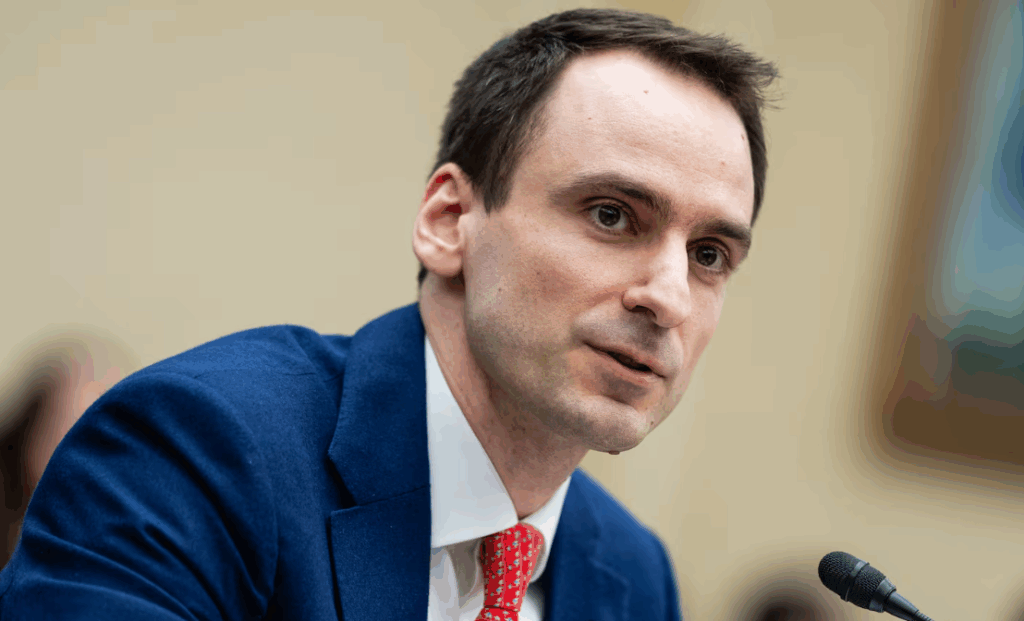
题图:白宫科技政策办公室主任、特朗普政府最新科学经费报告的作者迈克尔·克拉齐奥斯(Michael Kratsios)于1月在华盛顿发表讲话。埃里克·李/纽约时报
附原英文报道:
Universities are out, AI is in under new Trump plan for science funding
By Allyson Chiu and Michaela Towfighi Globe Staff,Updated July 24, 2026
Michael Kratsios, the director of the White House Office of Science and Technology Policy and author of the Trump administration’s new report on science funding, spoke in Washington in January.ERIC LEE/NYT
A new White House blueprint for scientific research is drawing mixed reactions from Massachusetts scientists, with some praising its focus on innovation and others fearful it presages a shift away from the longstanding research partnership between the federal government and universities.
The 120-plus-page report, “Science: A New Golden Age,” released Tuesday, would drastically reshape the country’s approach to science funding by making large investments in artificial intelligence, robotics, and private-public partnerships. It also proposes additional spending in science and technology education, programs for early-career scientists, and backing unconventional ideas through a “golden ticket” program that rewards higher-risk research.
Those involved in industry partnerships on AI say the recommendations validate their work. Other scientists, however, raised concerns about changes they said could further kneecap a research system that has long been held up as a model around the world.
“These folks in this administration have figured out ways to write stuff that kind of looks good on the surface if you skim it,” said Victor Ambros, a Nobel Prize winner and professor of natural sciences at the University of Massachusetts Chan Medical School. “But it’s cleverly designed to advance an agenda.”
A ‘teardown’ of the system
Billed as “the first comprehensive rethinking of the U.S. science and technology enterprise in over 80 years,” the plan comes amid a broader push by the Trump administration to expand its efforts to slash federal funding for disfavored topics and academic institutions. In May, the administration proposed letting political appointees decide on research funding, mandating each grant and contract align with White House priorities, and allowing the executive branch to disregard external scientific reviews and end funding at will.
On Friday, The New York Times reported that the Trump administration had canceled more than 200 grants from the Energy Department last year solely because the recipient was located in a state that voted for Kamala Harris in the 2024 election.
The new White House report aims to prioritize the “individual scientist over legacy institutions” and focus on fields such as the biological sciences — including genomics and neuroscience — quantum information science, and nuclear energy.
“What we are trying to do here is laying the groundwork for new methods of doing science and figuring out which ones can produce the greatest output for the American scientific community,” Michael Kratsios, director of the White House’s Office of Science and Technology Policy and author of the report, told lawmakers in a hearing on Wednesday.
But experts say moving away from funding university-based research would likely do more harm to scientific development than good.
The Trump administration is trying to “replace a system that has worked to the envy of the world,” said Ambros, whose Nobel-winning research was funded by the National Institutes of Health.
The new report is “not a renovation” of the system, he said. ”It’s a teardown.”
Giving money to industry
The proposal appears to approach scientific research in the same way a private equity firm would a potential investment target, said Colette Delawalla, founder and chief executive of Stand Up for Science, an advocacy group.
For instance, in a letter introducing the report, Kratsios wrote that federal research agencies should “evaluate their own performance as capital allocators, test new ways of making grants, and construct portfolios with the intentionality of a serious investor.”
Administration officials seem to be looking for areas where the most money might be made and where the “fat” can be cut, Delawalla said.
Shifting funding from academic institutions to individuals doesn’t make sense, she added; Universities provide critical infrastructure and resources for researchers to conduct their work.
“It’s like hiring Tom Brady and then not having a stadium for him to play in and not having a football,” she said.
Some experts worry the report will be followed by a federal budget request that shifts dollars away from universities and toward private companies.
“There’s winners and losers in every policy,” said Scott Delaney, cofounder of Grant Witness, which tracks terminated scientific research grants. “Universities are losers under this policy — like full stop.”
Delaney noted Massachusetts, a leader in university-led scientific innovation, receives the most federal funding for science per capita.
“Now, Massachusetts also has a very robust private sector, biotech sector, pharma,” he said. “I do think there’s reason to believe that some of those institutions would benefit.”
Joanne Padrón Carney, chief government relations officer for the American Association for the Advancement of Science, said the impacts of the plan remain unclear.
“This report proposes an untested experiment on a national scale to reshape the innovation ecosystem,” Carney said in an email. “As with any experiment, it could yield results that are difficult to predict or create damage that could take decades to address.”
‘AI revolution’
To prepare for an “AI revolution,” the administration calls for integrating AI into every stage of the scientific process, from drug discovery to analyzing data at NASA. Kratsios also announced a new $5 billion commitment from the federal government to make that happen, funding the administration’s so-called Genesis Mission.
Sam Scarpino did not read the report as a threat to funding at Northeastern University, where he’s the executive director of the Institute for Experiential AI. If anything, Kratsios’s vision validates the work he does, he said.
Scarpino and his team work with companies to both deploy and develop new AI tools with human oversight.
“Artificial intelligence is something of an existential moment for universities, and I think a report like this maybe gives some confidence that we’re heading in a reasonable direction,” Scarpino said
To him, the road map sketched by Kratsios leads to an “integrated, diversified research ecosystem” that includes both private sector businesses and universities, without one coming at the expense of the other.
“If we frame this report as that, it is very positive,” he said.
At Boston University, Gianluca Stringhini has received funding from OpenAI to conduct research in artificial intelligence focused on cybersecurity. His work seems to embody the exact model Kratsios is promoting.
But partnerships between industry and academia only work with adequate support for both, said Stringhini. He is worried by recent funding cuts to scientific research and said most ideas that can be brought to market, such as his partnership with OpenAI, have been the product of years of academic inquiry. In an academic lab, his team has time to test new models and scrutinize results. Inherently, that takes time.
“It’s good to look at industry partnerships and something else than basic traditional academic research. But there needs to be basic academic research as well,” he said. “Otherwise, it is kind of a house of cards, and everything will fall apart.”

