
【中美创新时报2026年7月27日讯】(记者温友平编译)由于价格低廉且效率高,中国的人工智能模型在美国越来越受欢迎。美联社记者陈浩谦和马特·奥布莱恩对此作了下述报道。
中国在美国推出了一款热门新产品:人工智能。
总部位于旧金山的 Mozilla 首席技术官 Raffi Krikorian 是 Firefox 浏览器的运营商,在新款功能强大的 Kimi K3 发布一周多后,他很快就将许多日常活动转移到了中国人工智能初创公司 Moonshot 的 Kimi K3 上。
“K3 的响应速度似乎更快,”他这样评价 K3,并将其与旧金山公司 Anthropic 备受赞誉且价格更高的聊天机器人 Claude Fable 进行了比较。此前,他一直使用另一款高性能的中国机器人——中爱智造的 GLM-5.2——来处理日常事务,例如管理日历、文档和电子邮件。
克里科里安是越来越多采用中国人工智能系统的美国人之一。这些系统因其价格更低廉且效率不断提高,正在全球范围内迅速普及。像加密货币交易所 Coinbase 这样的美国公司表示,他们正在转向使用中国人工智能模型以降低成本。
它们的流行让一些美国科技巨头感到沮丧,但除非彻底禁止,否则它们可能会继续吸引美国和其他地方的独立软件开发人员。
美国主导的限制措施阻止了中国获取一些世界上最先进的技术,包括尖端人工智能芯片。美国财政部长斯科特·贝森特警告称,为了保护美国的知识产权,可能会出台更多制裁措施。
美国总统特朗普的政府周三指责“登月计划”使用“隐蔽”但未必非法的手段,利用人智公司(Anthropic)的Fable人工智能平台开发K3。一些美国政界人士和包括人智公司在内的人工智能公司指责中国初创企业非法“提炼”其模型以获取技术,北京方面驳斥了这一指控,称其“毫无根据”。
中国的AI模型更便宜,而且“足够好”
今年中国尖端人工智能模型的迅速崛起表明,中美在人工智能领域的竞争已经与去年年初有所不同。当时,中国初创公司DeepSeek凭借一款性能与美国模型相当但价格低得多的人工智能模型,震撼了美国科技行业,并使中国在世界舞台上占据了一席之地。
专家表示,Z.ai(智普)和Moonshot分别于6月和7月推出的最新AI模型,其智能水平几乎可以媲美OpenAI和Anthropic的前沿模型。同样在7月,中国的阿里巴巴也发布了其Qwen3.8 Max AI模型的预览版。4月,DeepSeek推出了其最新V4模型的预览版,对OpenAI的GPT和谷歌的Gemini构成了挑战。
这些持续的进步正在结出硕果。北卡罗来纳州格林斯伯勒市的一位科技高管科特·梅因霍尔德表示,他越来越倾向于使用DeepSeek来执行诸如寻找业务线索或销售增长方式等任务。
“说到底,我们大多数人,绝大多数人,超过90%的人,并不需要(Anthropic的)Mythos或Fable,”数字遗产平台LilyList的创始人梅因霍尔德说道。“我们根本不需要它们,我们只需要足够好的东西就行了。”
美国投资银行高盛在7月份的一份研究报告中写道,中国的人工智能模型正处于广泛应用的“关键阶段”,尤其是在全球“代理”人工智能使用激增的情况下,人工智能模型需要自主执行多步骤的复杂任务,这推动了对具有成本效益的人工智能模型的更高需求。
人工智能的价格是按每百万代币计算的,包括输入和输出,因此,使用人工智能“代理”会极大地加剧成本差异,澳大利亚战略政策研究所的亚历克斯·科尔维尔等分析师表示。
“你知道,我觉得中国模式在代码和研究方面都非常接近,”梅因霍尔德说。“如果我能以每百万个代币几美分的价格,而不是30美元、40美元或50美元的价格购买,那就足够好了。”
Moonshot 的 Kimi K3 领先,但中国人工智能模型仍存在局限性
根据过去一个月的数据,在跟踪人工智能模型数据的平台 OpenRouter 上,最受欢迎的五大模型均来自中国。
市场情报公司Sensor Tower的数据显示,Kimi在K3于7月发布后的一周内下载量超过93万次,比前一周增长了200%。在美国,该游戏下载量约为8.6万次,增幅高达387%。
K3 非常受欢迎,以至于 Moonshot 在需求过大导致其容量接近极限后,不得不暂时停止接受新订阅。
人工智能系统评估平台 Arena 的联合创始人兼首席执行官 Anastasios Angelopoulos 表示,尽管中国模型正在成为美国的有力竞争对手,但它们在整体、全方位能力方面仍然落后于美国的人工智能领导者。
战略与国际研究中心的亚西尔·阿塔兰补充说,美国人工智能公司也在寻求更多降低价格的途径,例如提供更便宜的竞争模型替代方案。
美国政策或将推动中国人工智能模型的发展
大多数中国人工智能模型都是开源的——这意味着任何人都可以查看它们并在此基础上进行开发——而与此同时,像 Anthropic 和 OpenAI 这样的美国公司的前沿模型却是闭源的。
技术研究和咨询集团 Omdia 的 Lian Jye Su 表示,中国模型厂商有望利用开源软件来促进其产品在全球范围内的使用和普及。
Mozilla 的 Krikorian 表示,随着中国开源模型越来越接近美国领先公司开发的封闭系统,“开放前沿正日益由中国打造”。在美国考虑限制中国人工智能模型之际,包括微软、Meta 和英伟达在内的一批美国科技公司于周五签署了一封公开信,支持“开放”人工智能模型。
一些专家表示,美国的其他科技政策有时也会让中国占据优势。例如,中国Z.ai公司在6月中旬发布了GLM-5.2模型,而就在不久前,特朗普政府对Anthropic公司的Fable和Mythos模型实施了出口管制,导致这两个模型下线两周多。
Arena公司的Angelopoulos表示:“限制美国模式可能会立即为中国竞争对手创造机会。”
中国的人工智能模型寻求在全球范围内扩展
在中国,人工智能技术在政府的支持下蓬勃发展,民众和企业也迅速接受了这项技术。华为和腾讯等中国科技公司正在将人工智能技术嵌入智能手机、人工智能眼镜和人形机器人等设备中。
如今,中国也日益寻求在海外人工智能领域占据主导地位。在上海举行的一次旗舰科技峰会上,中国国家主席习近平倡导开源人工智能模型,强调促进全球公平的重要性,并承诺中国将参与提升人工智能能力,尤其是在发展中国家。
与中国许多其他行业一样,国内激烈的竞争正促使企业向全球扩张。领先的中国人工智能初创企业目前正在筹集更多资金以支持这一扩张计划,包括通过公开募股(IPO)的方式。
投资研究公司晨星的切尔西·谭表示,中国和美国都希望“鼓励广泛采用各自的人工智能生态系统,同时保护那些可能实质性地增强战略竞争对手实力的技术”。
“竞争不再仅仅是美国与中国之间的竞争;中国实验室之间也在相互施加很大的压力,”安杰洛普洛斯说。
但与美国的情况一样,对人工智能的巨额投资也引发了人们对这些中国初创企业可持续性的担忧。例如,Z.ai去年公布的营收飙升132%至7.24亿元人民币(1.07亿美元),但净亏损也猛增60%至47亿元人民币(6.94亿美元)。
克里科里安表示:“目前来看,中国的人工智能模型可能会继续向前发展,包括在美国。我强烈建议任何进行任何严肃的人工智能工作的人至少对其进行评估。”
奥布莱恩从罗德岛州普罗维登斯报道。美联社商业记者凯尔文·陈(Kelvin Chan)在多伦多对此报道亦有贡献。
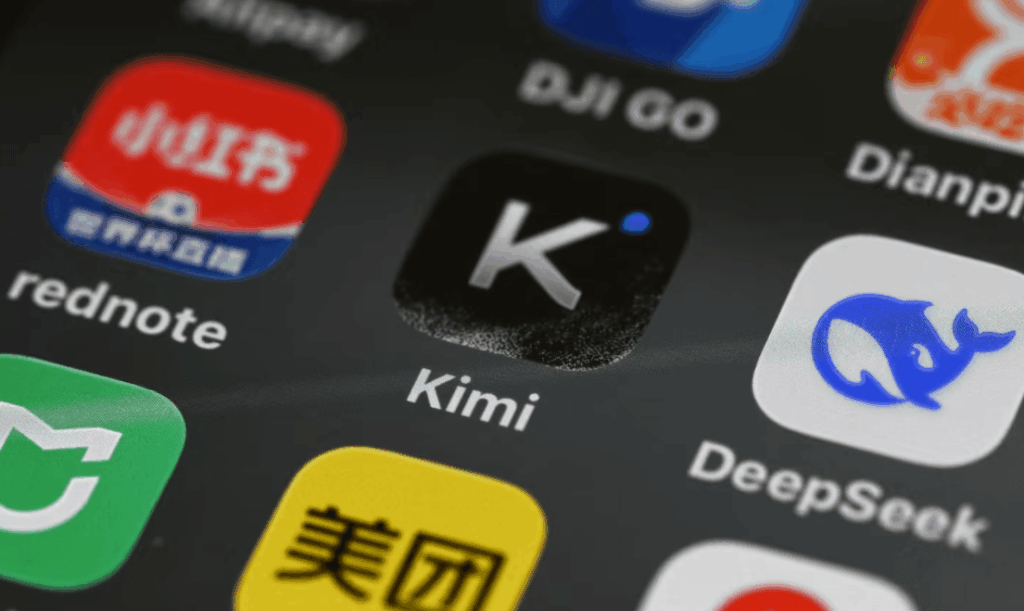
题图:2026年7月17日,北京,一部手机屏幕上显示着Moonshot AI的Kimi应用程序。中国初创公司Moonshot AI于7月17日发布了Kimi K3型号,引发了人们对中国科技实力的关注。专家表示,Kimi K3的性能足以媲美美国实验室的一些更先进的产品。图片来源:GREG BAKER/AFP via Getty Images
附原英文报道:
Cheaper, open and intelligent: Chinese AI models gain ground, as they make inroads in the US
Chinese AI models are gaining popularity in the U.S. for their affordability and efficiency
By CHAN HO-HIM and MATT O’BRIEN The Associated Press,Updated July 26, 2026
The Moonshot AI Kimi app is seen on a mobile phone screen in Beijing on July 17, 2026. The Kimi K3 model released on July 17 by Chinese startup Moonshot AI has fuelled buzz around the country’s tech prowess, as experts said it could rival some of the more advanced offerings from US labs.GREG BAKER/AFP via Getty Images
HONG KONG (AP) — China has a hot new product in the United States: artificial intelligence.
San Francisco-based Raffi Krikorian, the chief technology officer at Mozilla, which runs the Firefox browser, switched to Chinese AI startup Moonshot’s Kimi K3 for many of his day-to-day activities within days of the new, powerful model’s launch more than a week ago.
“It just seems snappier,” he said of K3, comparing it to the acclaimed and more expensive Claude Fable chatbot from San Francisco company Anthropic. Earlier, he had been using another high-performing Chinese model, Z.ai’s GLM-5.2, for routine tasks such as managing his calendar, documents and email.
Krikorian is one of a growing number of Americans adopting Chinese AI systems, which are gaining ground around the world because they are more affordable and increasingly efficient. U.S. companies like cryptocurrency exchange Coinbase said they’re switching to Chinese AI models to help trim costs.
Their popularity has frustrated some U.S. tech giants, but short of an outright ban, they’re likely to continue to appeal to independent software developers in the U.S. and elsewhere.
American-led restrictions block China from accessing some of the world’s most advanced technologies including cutting-edge AI chips and U.S. Treasury Secretary Scott Bessent has warned more sanctions could be coming to protect American intellectual property.
U.S. President Donald Trump’s administration on Wednesday accused Moonshot of using “covert” but not necessarily illegal methods to build K3 off the back of Anthropic’s Fable. Some U.S. politicians and AI companies including Anthropic have accused Chinese startups of illicit “distillation” of their models to extract their technologies, a claim that Beijing rejects as “groundless.”
China’s AI models are cheaper and ‘good enough’
The rapid rise of cutting-edge Chinese AI models this year shows the China-U.S. race in AI has moved on from early last year, when Chinese startup DeepSeek shook up the U.S. technology industry and put China on the map with an AI model that performed on par with those in the U.S. but much more cheaply.
The latest AI models launched by startups Z.ai, or Zhipu, in June, and Moonshot in July are nearly as intelligent as the frontier models from OpenAI and Anthropic, experts say. Also in July, China’s Alibaba previewed its Qwen3.8 Max AI model. In April, DeepSeek rolled out previews of its latest V4 model, challenging OpenAI’s GPT and Google’s Gemini.
Those constant advances are bearing fruit. Curt Meinhold, a Greensboro, North Carolina-based technology executive, said he increasingly prefers to use DeepSeek for tasks such as finding business leads or ways to generate sales.
“At the end of the day, most of us, the vast majority of us, 90 plus percent, don’t need (Anthropic’s) Mythos or Fable,” said Meinhold, who founded digital legacy platform LilyList. “Like, we just don’t need it, we need something good enough.”
Chinese AI models are reaching a “critical stage” for wide adoption, U.S. investment bank Goldman Sachs wrote in a July research report, especially when a surge of global “agentic” AI usage, which requires the AI models to autonomously conduct multistep, complex tasks, is driving higher demand for cost effective AI models.
AI prices are calculated per million tokens for both input and output, so the use of AI “agents” is dramatically compounding cost differences, according to analysts including Alex Colville of the Australian Strategic Policy Institute.
“The Chinese models, you know, I find them to be pretty close on code and research,” said Meinhold. “If I can pay a handful of cents per million output tokens versus 30 bucks or 40 bucks or 50 bucks, then it’s good enough.”
Moonshot’s Kimi K3 leads, but Chinese AI models have limits
Based on data over the past month, the top five most popular models on OpenRouter, a platform that tracks data across AI models, were Chinese.
Estimates from Sensor Tower, a market intelligence firm, showed Kimi had more than 930,000 downloads during the week after K3’s July release, an increase of 200% from the week before. In the U.S. it was downloaded around 86,000 times, a 387% jump.
K3 proved so popular that Moonshot had to temporarily suspend new subscriptions after overwhelming demand pushed its capacity close to its limits.
Still, while Chinese models are becoming serious competitors to the U.S., they lag American AI leaders across their overall, full-range capabilities, said Anastasios Angelopoulos, co-founder and CEO of Arena, a platform for evaluating AI systems.
And U.S. AI firms are also looking for more options to reduce pricing, such as with cheaper alternatives of competitive models, added Yasir Atalan, with the Center for Strategic and International Studies.
US policy could boost Chinese AI models
Most Chinese AI models are open-source — meaning anyone can examine and build on them — at a time when frontier models from U.S. companies like Anthropic and OpenAI are closed-source.
Chinese model vendors are expected to leverage open-source software to promote their global usage and adoption, said Lian Jye Su, of the technology research and advisory group Omdia.
As Chinese open-source models are increasingly almost as good as closed systems made by leading U.S. companies, said Mozilla’s Krikorian, “the open frontier is becoming increasingly Chinese-built.” While the U.S. weighs restricting Chinese AI models, a group of American tech firms including Microsoft, Meta and Nvidia signed an open letter published Friday backing “open” AI models.
Other U.S. tech policies also at times give China an upper hand, some experts say. China’s Z.ai released its GLM-5.2 model in mid-June, not long after the Trump administration put export controls on Anthropic’s Fable and Mythos models, keeping them offline for more than two weeks.
“Restricting an American model can immediately create an opening for a Chinese competitor,” said Arena’s Angelopoulos.
Chinese AI models look to expand globally
In China, people and businesses have rapidly embraced AI technologies that have prospered with state support. Chinese tech companies like Huawei and Tencent are also embedding AI in devices such as smartphones, AI glasses and humanoid robots.
Now China is increasingly looking to dominate AI abroad, too. At a flagship technology summit in Shanghai, Chinese President Xi Jinping championed open-source AI models and the importance of promoting greater global equity, while pledging Chinese involvement in raising AI capabilities especially in developing nations.
As is true for many other industries in China, intense competition at home is driving companies to expand globally. Leading Chinese AI startups are now raising more funding to support that effort, including through public share offerings.
Both China and the U.S. will want to “encourage widespread adoption of their AI ecosystems, while safeguarding technologies that could materially strengthen strategic rivals,” said Chelsey Tam, with investment research firm Morningstar.
“The competition is no longer simply the United States against China; the Chinese labs are also putting a lot of pressure on one another,” Angelopoulos said.
But as is the case in the U.S., huge investments in AI have also raised concerns over sustainability of these Chinese startups. Z.ai, for example, reported its revenue surged 132% to 724 million yuan ($107 million) last year, but net loss jumped 60% to 4.7 billion yuan ($694 million).
For now, Chinese AI models will likely continue to march ahead including in the U.S. “I would highly recommend anyone doing any serious AI load to at least evaluate it,” said Krikorian.
O’Brien reported from Providence, Rhode Island. AP Business Writer Kelvin Chan in Toronto contributed to this report.

